
Updated October 2026. A maintenance checklist should help you notice issues, not persuade you that every car needs the same oil interval or replacement part. Start with your vehicle's exact model-year manual, mileage, driving conditions, and maintenance history. Here is a realistic rhythm for everyday drivers. If a warning concerns brakes, steering, a tire, overheating, or an active safety fault, arrange qualified help rather than continuing to drive normally.
Your owner's manual sets the service schedule; a quick, consistent inspection helps you notice changes before they become surprises.
Step 1 — Make a vehicle-specific baseline
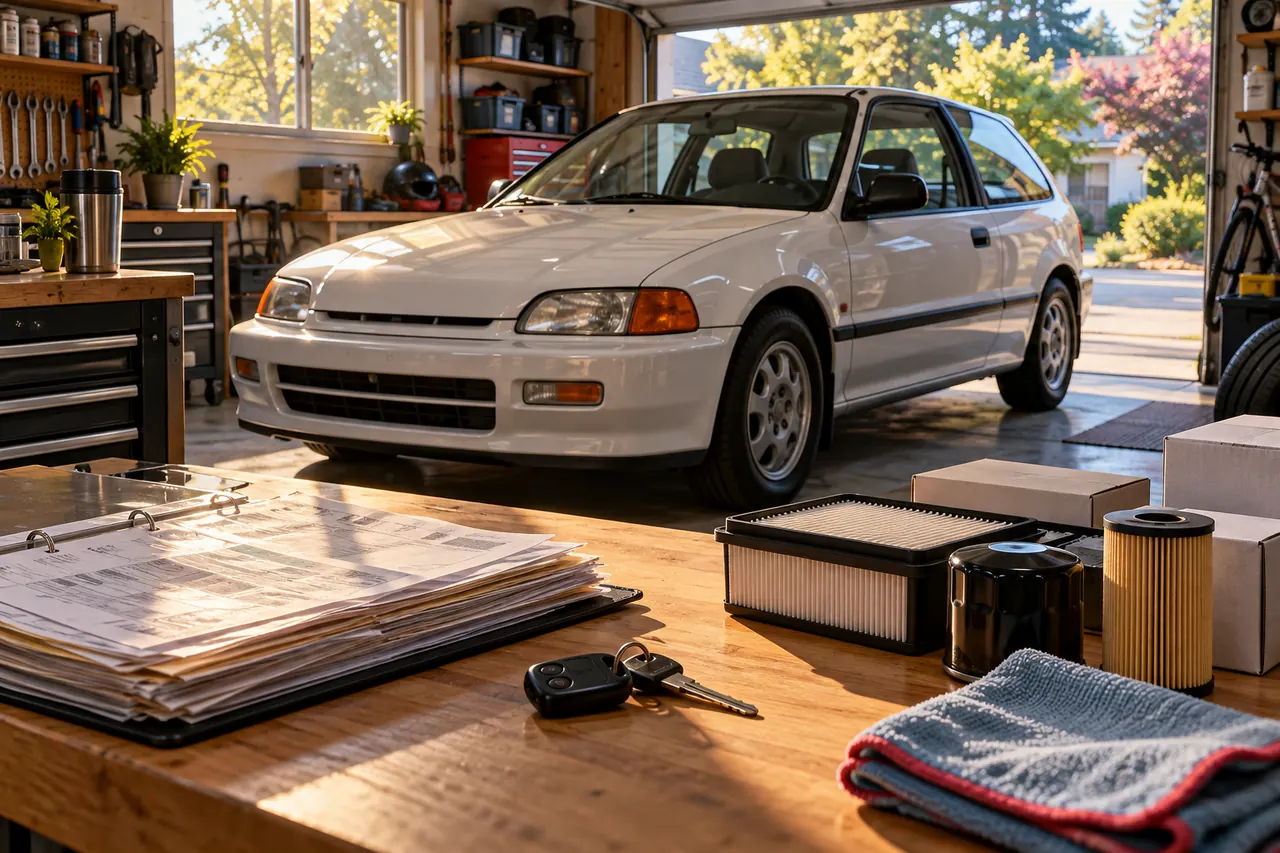
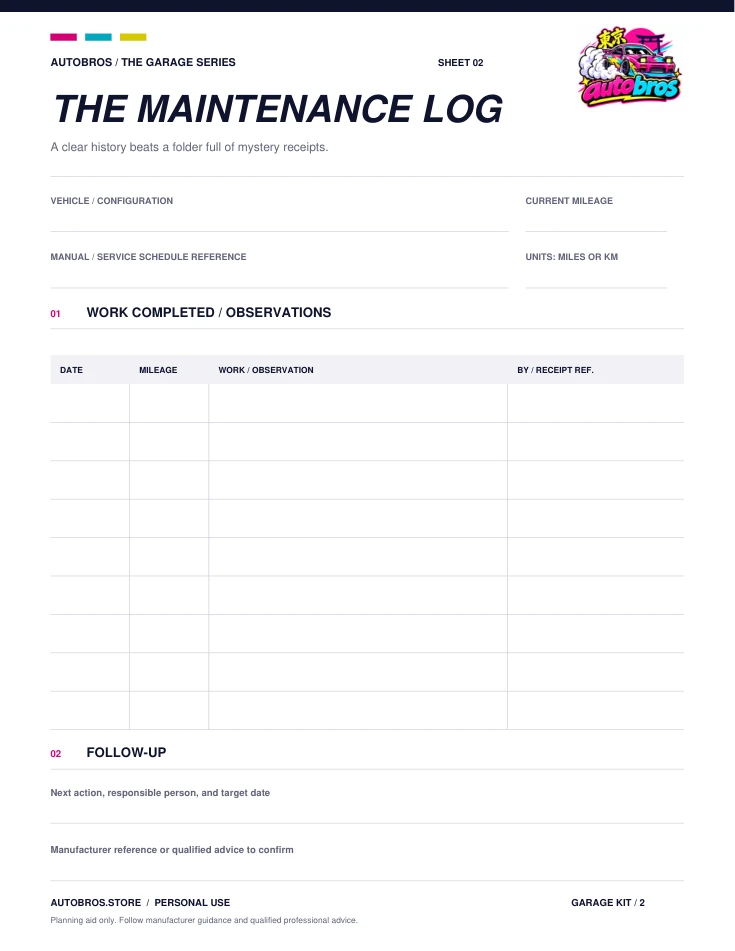
Write down the model year, trim, mileage, tire size, and manufacturer's maintenance schedule. Find the correct manual through the automaker rather than a random forum PDF. Note whether your usage qualifies as severe service in that manual: frequent short trips, dusty roads, towing, or extreme temperatures can change what it recommends. Put the last completed service and the next manufacturer-recommended work into your maintenance log. If you recently bought a used car, treat missing receipts as unknown history, not proof a service happened.
Step 2 — Do a quick walkaround each week
Walk around the car in daylight and look for fresh fluid spots, loose trim, cracked lamps, obvious tire damage, and anything hanging lower than it did last week. Notice warning messages at startup and keep a dated note rather than guessing a diagnosis. Check windshield visibility, mirrors, wiper operation, and whether lights illuminate properly. If you see a tire bulge, a significant leak, or a braking problem, stop and have the issue assessed. This is an observation routine, not permission to work beneath an unsupported vehicle.
Step 3 — Check cold tires every month
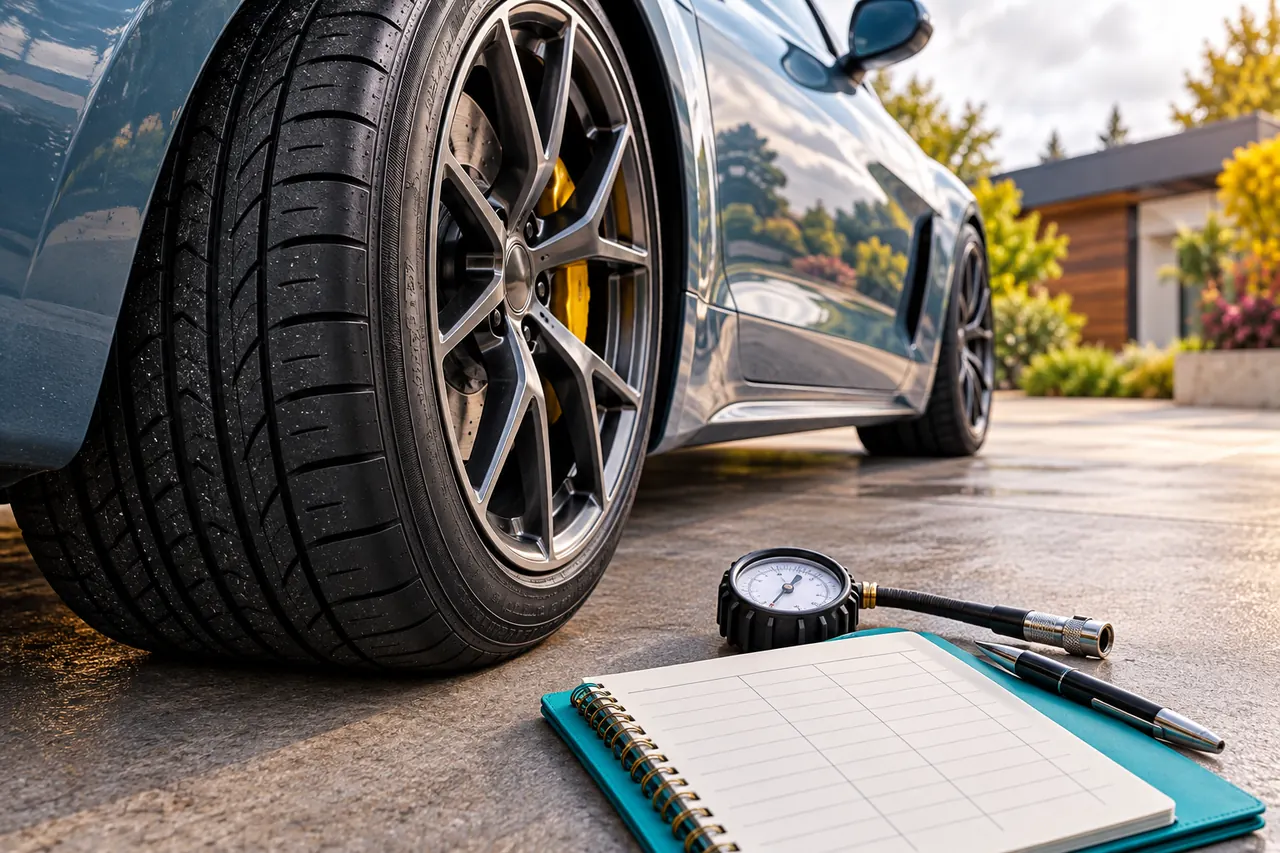
Use a suitable gauge when the tires have been parked for at least three hours. Read the recommended pressure on the driver's doorjamb placard or in the owner's manual, not the maximum molded into the tire sidewall. Check all tires, including the spare if fitted. Inspect tread, sidewalls, valve stems, age, and irregular wear while you are there. NHTSA identifies 2/32 inch as the minimum tread depth; wet-weather performance can worsen before that point. Tire age and damage matter even when tread looks substantial.
Step 4 — Review fluids only as your manual permits
Your manual explains which fluids the owner should inspect and which systems are not meant for casual DIY access. Check visible washer-fluid level and other user-serviceable indicators only as directed. Never open a hot coolant reservoir or radiator cap. An EV may have very different service points from a gasoline vehicle; do not approach orange high-voltage cables or battery enclosures. For the correct oil specification, replacement interval, brake-fluid requirements and coolant type, follow the actual vehicle guidance rather than an internet rule of thumb.
Step 5 — Schedule the jobs that require equipment
Review the manufacturer's intervals for oil and filters, inspection of brakes, tire rotation where permitted, cabin-air filters, and any transmission, coolant or other fluids. A qualified shop should evaluate unusual vibration, uneven tire wear, fluid loss or warning lights. Ask for an itemized estimate separating required repairs from preventive suggestions and optional upgrades. The FTC recommends comparing shop-created schedules with the automaker's instructions and asking why extra services are proposed.
Step 6 — Check recalls and document outcomes
Use NHTSA's recall search with your vehicle identification number. A VIN search identifies certain unrepaired safety recalls, but it does not represent every historical campaign or non-safety bulletin. Save the results and book any applicable remedy through the manufacturer or its dealer network. Note the repair order, mileage and date once completed. If you added aftermarket equipment, also verify any applicable equipment recalls and maintain installation records.
Step 7 — Repeat after a road trip or seasonal shift
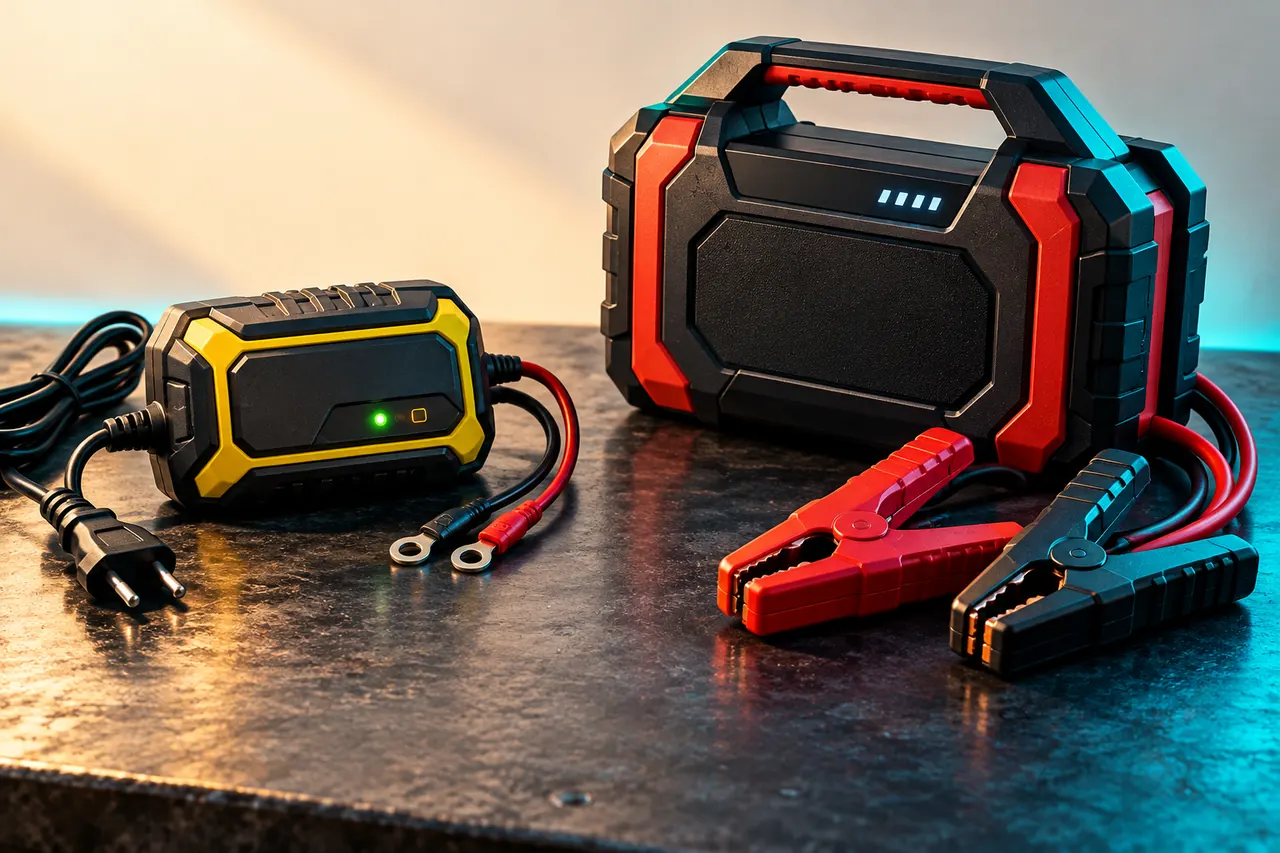
Before a longer drive, repeat the tire inspection, check working lights and wipers, assess the spare or repair kit, and confirm you have emergency supplies. Revisit tread condition before heavy rain or winter travel. When the seasons change, examine battery performance and exterior seals as appropriate to your climate. Keep every receipt and a simple 'noticed / checked / resolved' list; your next service conversation becomes far more useful when you bring evidence rather than a vague description.
A couple of good questions
How often should I change my oil?
Use the maintenance schedule for your exact vehicle, engine and operating conditions; universal mileage claims are unreliable.
Is the tire sidewall number my recommended pressure?
No. Use the manufacturer's cold-pressure value on the vehicle placard or in the manual.
Can a maintenance log replace a professional inspection?
No. It organizes observations, records and follow-up, while a qualified technician evaluates faults and safety concerns.
Maintenance log
Dates, mileage, work completed, and what needs attention next.
Fill in the free worksheet Blank PDFReferences & further reading
Sources reviewed October 24, 2026. Product facts are manufacturer or retailer information, not an Autobros test. Confirm current instructions before acting.
FTC — Auto repair basics and manufacturer maintenance schedules NHTSA — TireWise: tire pressure, tread and maintenance NHTSA — Electric and hybrid vehicle battery, charging and safety NHTSA — Check for safety recalls