
You do not need a shop full of lifts—or a huge social following—to explore an automotive business. Your useful starting point might be an eye for photos, a tidy detailing routine, knowledge of a particular chassis, or the ability to explain a complicated buying decision.
The ideas below are starting points to validate, not promises of demand or earnings. Choose work you can deliver competently with the time, tools and permissions you have. This is a U.S.-focused planning guide; confirm the rules and tax treatment that apply to your location and activity.
Choose one customer, solve one specific problem, and test a small paid offer. Track every hour and cost before buying equipment or trying to scale.
Pick the kind of work you want to repeat
A hobby lets you follow your curiosity. A business asks you to solve someone else’s problem on a deadline, at a price that covers the work. Think about the entire job: inquiries, travel, cleanup, editing, shipping and customer follow-up.
If you like hands-on work, explore a narrowly defined cleaning or organization service. If you enjoy cameras and computers, start with photos, editing or shop content. If you know a niche inside out, consider carefully documented resale or original educational content. These are our practical starting suggestions, not measured rankings of profitability.
Ask five potential customers what they currently use, what frustrates them and what they actually pay for. The SBA recommends investigating demand, competing options and pricing before committing to an idea.
1. Owner photo sessions and sale-listing photos
Offer a parked-car photo session with a defined location, time allowance, image count and delivery date. A clear starter package might include exterior angles, interior details and a short walkaround clip. Price extra travel, extra vehicles and commercial usage separately.
First-customer experiment: make a sample gallery using your own car or an owner’s car with permission, then show it to local enthusiasts or a shop that needs better listing photos. Let customers approve anything identifying them before it becomes portfolio work. Honest sale photos should show condition; editing must not conceal damage.
Growth path: repeat inventory photography or regular owner sessions. Your bottleneck may be editing and scheduling, not the camera.
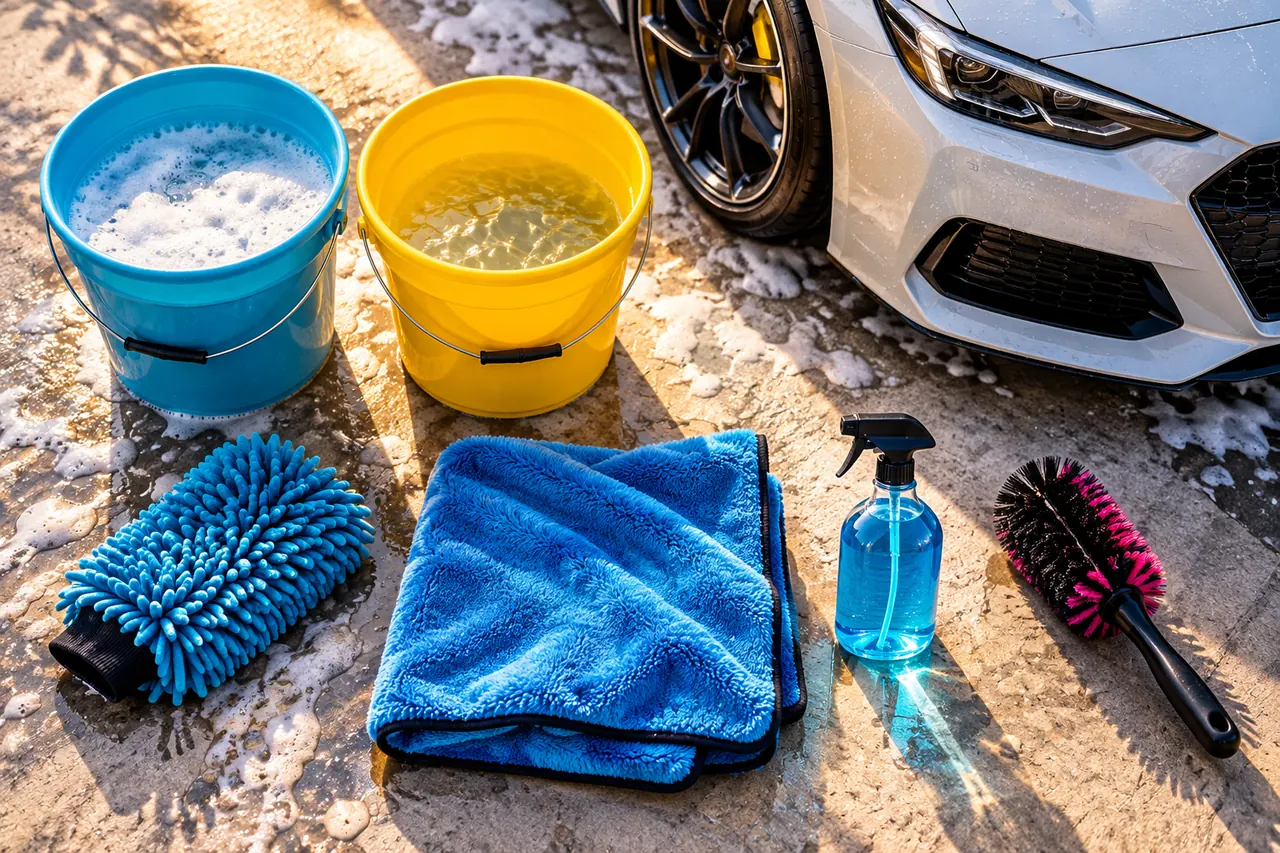
2. Maintenance washes and basic interior cleaning
Sell a tightly scoped service you already know how to perform: for example, a maintenance wash and dry, or a vacuum and interior wipe-down for a stated vehicle size and condition. Spell out exclusions and assess the car before quoting unusually heavy work.
First-customer experiment: document a timed practice job, calculate materials and cleanup, then offer a small number of paid appointments. Confirm where you may work and how water and waste must be handled before operating. Paint correction, coatings, stain removal and sensitive materials require their own training and process.
Growth path: repeat appointments on an efficient route. A larger van or a pressure washer is a later purchasing decision, not proof that customers will book.
3. Short-form content for automotive businesses
A detailer, tire shop or restoration business may need consistent photos and short videos without adding that job to a technician’s day. Sell a defined deliverable: a short approved shoot, a fixed number of edited clips and one revision round.
First-customer experiment: create a sample with permission and propose one paid trial to a business whose work you understand. Agree on what may be filmed, who approves claims, music and image rights, and whether paid-ad usage is included. Keep customers’ plates, paperwork and faces out of public content unless the permissions are settled.
Growth path: a recurring content package with a realistic production schedule. Sell the creative work you can deliver; do not promise a number of leads or sales.
4. Remote video editing and automotive writing
You can sell editing, captions, article drafts, product-listing copy or photo organization to automotive creators and businesses. This suits someone who enjoys the research and finishing work more than being on camera.
First-customer experiment: prepare one polished sample using footage or material you have permission to use, then quote a small project with clear input requirements. Specify finished length, source-footage limits, turnaround, revisions and delivery formats. Agree on how technical claims will be checked.
Growth path: repeat work for a small roster of clients. Measure all research, revision and export time. A two-minute video can still consume hours.
5. Original car art, stickers and digital planning tools
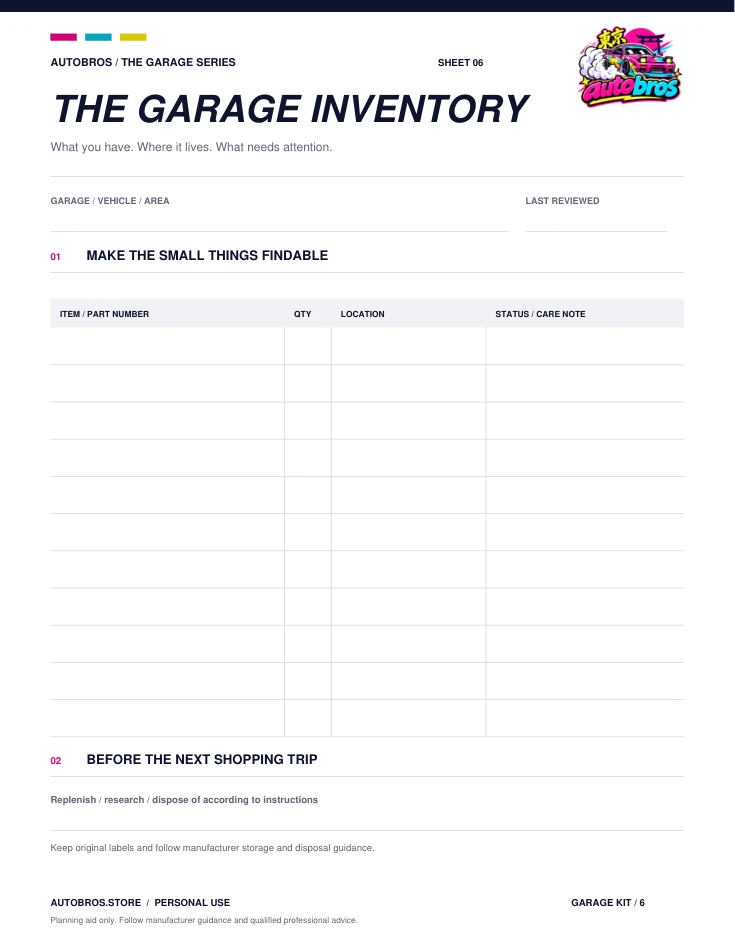
Create something enthusiasts can use or display: a commissioned illustration, an original sticker design, a build-planning spreadsheet or a garage inventory template. Start with one audience and one well-finished product rather than a large catalog.
First-customer experiment: show a prototype, test the finished file or order a physical sample, and invite a small paid order. Use work you created or have permission to sell. A customer requesting a logo or photograph does not automatically give you the rights to reproduce it.
Growth path: a small catalog supported by clear instructions and reliable fulfillment. Include samples, packaging, platform fees, refunds, customer support and your design time in the calculation.
6. Niche parts and automotive collectible resale
Start in a category you can identify accurately, such as documented trim pieces, manuals, model cars or other manageable enthusiast items. Record part numbers, condition, dimensions and provenance where available. Photograph defects and distinguish confirmed fitment from a guess.
First-customer experiment: sell a few items you already own and have the right to sell before tying up cash in inventory. Use completed-sale research as a starting point, then calculate shipping, packaging, fees, returns and the time spent answering questions.
Growth path: a repeatable sourcing and cataloging process. Do not list counterfeit items, invent compatibility or treat used safety-critical parts as an easy beginner category. A shelf full of unsold stock is cash you cannot use elsewhere.
7. A useful automotive channel or affiliate publication
Choose a narrow problem you can keep explaining: ownership costs for one platform, beginner detailing decisions, local enthusiast experiences or documented build progress. Publish useful original work consistently before assuming an audience will appear.
First-customer experiment: make a short series that answers real questions and watch for returning readers, useful replies and email signups. Affiliate income, sponsorships and paid products are possible business models, but they require trust and can take time. They are not immediate passive income.
Clearly disclose paid, gifted and affiliate relationships near the relevant recommendation. The FTC says endorsements should make material connections obvious. Separate firsthand experience from research, and do not present a generated image as proof you tested a product.
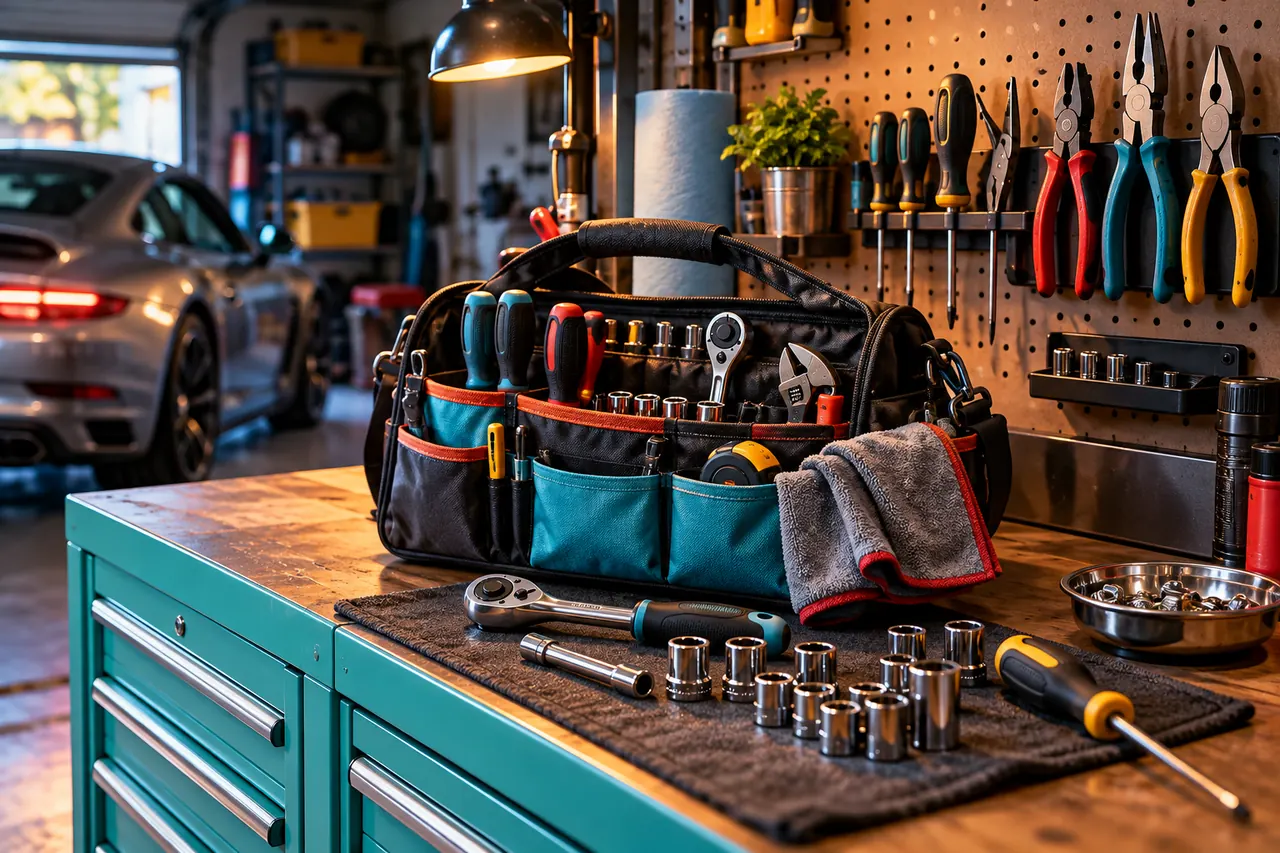
8. Garage inventory and organization sessions
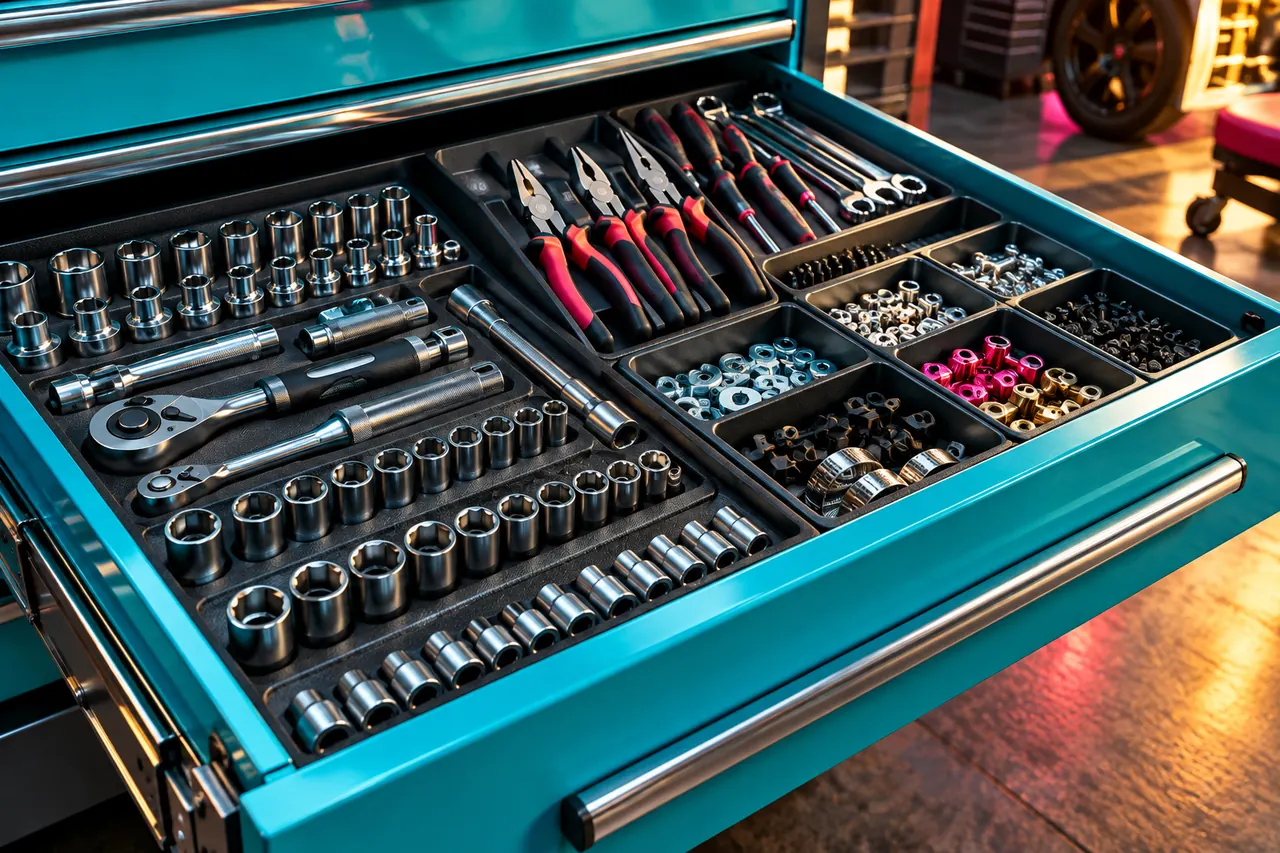
Offer to help an enthusiast sort, label and catalog tools, supplies and spare parts. The deliverable could be an organized work area plus a simple inventory with photos and locations. This can suit someone whose strongest skill is making a project easier to manage.
First-customer experiment: create a before-and-after example in your own garage, then quote a limited session with a clear stopping point. Get approval before discarding, moving valuable items or photographing private spaces. Define lifting limits; electrical work, structural storage installation and hazardous waste disposal belong outside a basic organizing package.
Growth path: follow-up organization sessions or inventory updates for repeat customers.
9. Event media and organizer support
A legitimate car event may need registration support, recap photos, participant communications or edited social content. Offer a specific service to the organizer rather than assuming a public gathering gives you commercial access.
First-customer experiment: ask an organizer what work is currently going unfinished and propose a small paid assignment. Confirm access, deliverables, credentials, usage rights and payment before the day. Stay within the organizer’s access and safety rules; a camera is not permission to enter a live track area.
Growth path: repeat event contracts and off-season planning work. Include travel, weather changes, equipment transport and late delivery hours when quoting.
10. Beginner workshops in a skill you can teach well
Teach a small session on parked-car photography, organizing a build budget, basic car-care product selection or sim-racing setup. A useful workshop has a defined audience, a practical outcome and enough time for questions.
First-customer experiment: run a small paid pilot in an approved venue, provide a clear outline and ask what participants could actually do afterward. Be honest about your qualifications. Do not sell advanced mechanical, safety or on-track driving instruction on enthusiasm alone.
Growth path: repeat workshops, shop partnerships or original learning materials. Include preparation, venue costs, materials, booking administration and follow-up support in the price.
Price the complete job: an illustrative example
Suppose a photo package sells for $180. Assume $20 of travel and parking, $10 of payment and delivery costs, and $15 allocated to equipment and software. That leaves $135 before tax and any other overhead. If booking, travel, shooting, editing and delivery take 4.5 hours altogether, the amount is $30 per hour before those remaining costs. These are made-up planning figures, not local market rates or an earnings forecast.
For a separate break-even example, assume $300 of monthly fixed costs and $120 left from each job after variable costs. $300 ÷ $120 = 2.5, so three jobs cover those fixed costs. That does not automatically pay you a wage. Include an allowance for your labor when deciding whether a price is worthwhile, and avoid counting the same cost twice. The SBA describes break-even as fixed costs divided by price minus variable cost.
Make it a business you can run reliably
Write a one-page offer: customer, deliverable, price, exclusions, turnaround, cancellation terms and how approval works. Track inquiries, paid bookings, repeat customers, total hours, direct costs and refunds. Keep business money and records organized from the first transaction.
Before trading, confirm your business structure, registration, local permissions and any applicable sales-tax requirements. Ask a qualified insurance agent about your exact activity, especially work involving customers’ vehicles or property. The SBA notes that permits depend on activity and location and recommends matching coverage to business risks.
The IRS says gig income must be reported even when it comes from part-time work or no information form is issued. Keep receipts and income records, and ask a tax professional about estimated payments and allowable expenses. Separate personal hobby spending from business records and confirm deductions with a tax professional.
Vehicle flipping, brokerage, repairs, transport and car rental deserve separate licensing, insurance and financial research. Do not assume a personal vehicle policy or an ordinary side-hustle setup covers them.
A 30-day experiment before you scale
Days 1–7: choose one offer, speak with five potential customers and compare relevant alternatives. Set a spending cap and decide which local, insurance and permission checks apply. Inventory what you already own.
Days 8–14: create a permission-cleared sample, write the scope and quote, and build a simple way to inquire and book. Share it through appropriate groups and personal introductions without spamming or making unsupported claims.
Days 15–21: aim to complete one to three small paid pilot jobs. This is a target for testing, not a guaranteed outcome. Record every hour and cost, ask for candid feedback and request permission before publishing photos or testimonials.
Days 22–30: compare what you earned with the time and money required. Keep, adjust or stop the offer. If customers return and the numbers work, improve one bottleneck at a time. Look for repeatable delivery and repeat demand before committing to a lease, large inventory order or expensive vehicle.
A couple of good questions
Which car side hustle is best if I have very little money to start?
Start with a skill and tools you already have: photo sessions, editing, writing or organization may be worth testing. None is cost-free once time, travel, software and permissions are counted. Validate one small offer before buying a kit.
Do I need a big social following?
A local service can start with direct referrals and a small portfolio. A publishing or affiliate business depends more heavily on earning attention and trust. The customer acquisition plan should match the work you want to sell.
When should I consider doing it full time?
Look for sustained demand, repeat customers, reliable records and enough profit after costs to support your own budget. Include taxes, benefits, quieter months and a cash buffer. A busy weekend or a high revenue screenshot is not enough evidence.
Garage inventory
What you have, where it lives, and what needs replenishing.
Fill in the free worksheet Blank PDFReferences & further reading
Sources reviewed October 13, 2026. Product facts are manufacturer or retailer information, not an Autobros test. Confirm current instructions before acting.
U.S. Small Business Administration — market research, planning and startup costs U.S. Small Business Administration — business setup, permits and insurance IRS — gig economy tax center IRS — managing taxes and records for gig work FTC — disclosures for social media influencers